


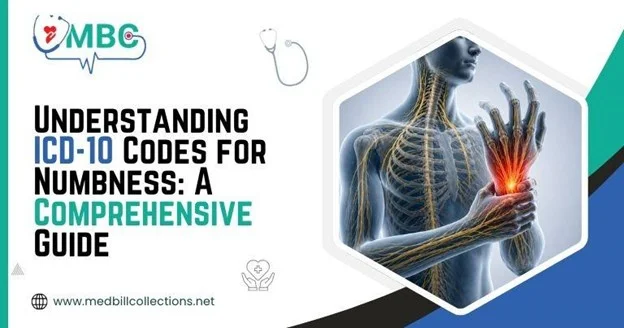
Numbness is one of those symptoms that can range from the benign – a foot “going to sleep” – to the serious – a symptom of impending stroke. For health care professionals, a record of this symptom, medically termed paresthesia or hypoesthesia, is more than a simple notation. It demands accurate coding to protect patient safety, aid diagnosis, and facilitate reimbursement.
In the world of medical coding, the ICD-10-CM (International Classification of Diseases, 10th Revision, Clinical Modification) system is the language we use to translate clinical findings into a standardized format. For example, when a patient complains of “pins and needles,” the code you select will communicate where the symptoms are, what the reason might be, and how severe it is.
The Basics: Common ICD-10 Codes for Numbness
The most common “catch-all” codes for numbness are found under the code R20 – Disturbances of skin sensation.
R20.0 (Anesthesia of skin)
Used when there is a complete loss of sensation.
R20.1 (Hypoesthesia of skin)
Used when there is a decreased sensitivity to sensory stimuli.
R20.2 (Paresthesia of skin)
This is the most common code for “numbness and tingling”. This includes prickling, tingling, or “pins and needles”.
R20.8 (Other disturbances of skin sensation)
For specific disturbances of the senses that don’t fit the above.
R20.9 (Symptoms and signs involving emotional state)
Unspecified disorders of skin sensation.
These codes are good for preliminary diagnosis, but the goal of medical coding is specificity.
Specificity Matters: Right Hand Numbness and Beyond
Non-specific codes may be used as a “placeholder” until a more specific diagnosis is made. But if it’s a localized numbness, you should code as such to help justify diagnostic workup (EMG, MRI, etc).
Upper Extremities
If a patient presents with right-hand numbness, ICD 10, you could code it as R20.2. But if it is a nerve-related problem, then it would be different:
- 01: Carpal tunnel syndrome, right upper limb (a very common cause of hand numbness).
- 12: Radiculopathy, cervical region (numbness in the arm from the neck down).
Lower Extremities
Clinicians may consider the following for leg and foot numbness:
- 16: Radiculopathy, lumbar region (Sciatica-related numbness).
- 40: Type 2 diabetes mellitus with diabetic neuropathy, unspecified (a leading cause of chronic numbness).
Summary of Key ICD-10 Codes for Numbness
Let’s understand the most basic ICD-10 codes for numbness and what they are used for:
|
Clinical Presentation |
Primary ICD-10 Code |
|
General Numbness & Tingling |
R20.2 |
|
Loss of Skin Sensation (Numbness) |
R20.0 |
| Decreased Sensitivity |
R20.1 |
|
Diabetic Peripheral Neuropathy |
E11.40 |
| Carpal Tunnel (Right) |
G56.01 |
| Sciatica with Lumbago |
M54.41 |
The Diagnostic Path: Why Numbness Occurs?
Numbness is usually a symptom, not a disease. When a coder or provider sees a diagnosis of numbness and tingling icd 10, they are looking at a symptom that can be an indicator of a number of different things:
- Nerve Compression: Such as a herniated disc or carpal tunnel.
- Metabolic Issues: Vitamin B12 deficiency or complications from diabetes.
- Vascular Problems: Lack of blood supply to a limb (Peripheral Artery Disease).
- Neurological Disorders: Multiple Sclerosis (MS) or post-stroke symptoms.
Using the correct icd 10 numbness code ensures that the insurance payer understands the medical necessity of the follow-up tests.
Critical “Red Flag” ICD-10 Codes
Numbness can be a symptom of an emergency. In these situations, the icd 10 code for numbness is usually a secondary code to the primary problem:
- 9: Cerebral infarction, unspecified (Stroke). Numbness on one side of the body (hemiparesis) is a hallmark sign.
- 0: Post-infectious polyneuritis (Guillain-Barré Syndrome).
The Business of Accuracy: Coding and Billing
The identification of the numbness icd 10 sequence is just the first step. The second half is making sure that these codes are incorporated into the practice’s revenue cycle. In many practices, the intricacies of the regulatory system mean that the revenue cycle is a time-consuming process.
That’s where the professional healthcare coding expert comes into play. Accurate coding is critical to the “Clean Claim Rate” – the rate of claims accepted for payment on the first pass. For example, if a provider bills using an “unspecified” code when there was a more specific code that could have been used (and was documented in the patient’s record), the claim may be rejected or require further scrutiny.
To ensure maximum return on investment, practices can benefit from the services of medical billing services in California. The Californian healthcare landscape is highly competitive and complex. California’s local billing services are familiar with the local payer demographics, including Medi-Cal and the requirements of private payers that may vary from those in other states.
Through the use of experienced coding healthcare teams, California health care providers can ensure that “right hand numbness icd 10” is billed to the most specific level, avoiding costly audits and ensuring that the practice is paid appropriately for the complexity of care they provide.
Best Practices for Documentation
To support the best coding outcomes, clinicians should always document:
- Laterality: Is it the left side, right side, or bilateral?
- Duration: Is the numbness acute, chronic, or intermittent?
- Associated Symptoms: Is there weakness, pain, or discoloration?
- Anatomical Site: Be as specific as possible (e.g., “distal phalanges of the index finger” vs. “hand”).
Final Thoughts
Whether you’re a physician writing a note or a biller filing a claim, it’s important to understand the complexity of icd 10 numbness. It connects the patient’s symptoms to the bottom line. In this age of “Value-Based Care”, the information gleaned from proper coding helps monitor how patients are doing and the incidence of chronic diseases.
If you find yourself bogged down with denied claims or not keeping up with coding changes, consider how outsourcing your medical billing services can streamline your operations. Expert coding healthcare is more than a matter of revenue; it’s about providing a true picture of the patient’s health and the quality of care they receive.