


When you own a small business or work as a sole proprietor, you have probably come across the term “ghost policy” at some point. It sounds unusual, yes, and honestly, it is a bit of a workaround, but it is completely legal and widely used across many states in the USA. Now lets understand how it works, so it can save you money and help you meet compliance requirements without overpaying for coverage you do not really need.
The Basic Idea: What Is a Ghost Policy?
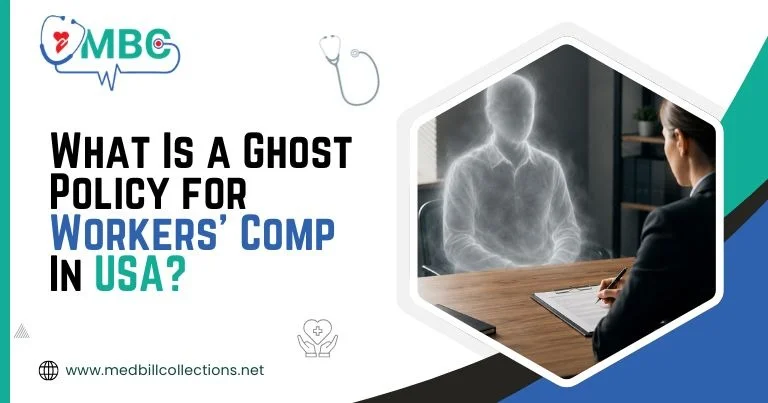
A ghost policy is a workers’ compensation insurance policy in which there are no workers named on it, or in other words, the owner is not covered. The business owner buys the policy because there is a contractor or client who requires it, rather than because the business owner expects to use the benefits.
The following is a basic case: If you are a self-employed electrician in Texas. If you can provide proof of workers’ comp insurance, you will be hired by a general contractor for a project. You don’t have any employees, and you have decided not to be covered. A ghost policy is similar to a full-coverage policy, except that you’re not obligated to pay nearly as much.
The premium is low because the insurance company is not really providing insurance coverage. This is why this policy is called “ghost,” as it is only partially in writing.
Who Uses Ghost Policies?
Ghost policies are most common among:
- Sole proprietors and single-member LLCs are employed as independent contractors.
- Self-employed tradespeople (for example, plumbers, electricians, roofers, and painters)
- Freelancers and gig workers in industries where coverage is required for clients are also likely to be covered. It is also likely to cover freelancers and gig workers in industries where clients require proof of coverage.
- Those who own a small business but don’t employ any W-2 workers require a certificate to submit bids for work.
Although there is no legal mandate for sole proprietors and partners to provide workers’ comp in most states, many businesses that hire them demand it as an additional risk management tool.
Workers’ Comp Billing and Ghost Policies
From an insurance and billing standpoint, ghost policies are handled differently from standard workers’ compensation policies. The premium is calculated based on the minimum policy premium, not a payroll audit, due to the lack of payroll figures to report.
That’s where workers’ comp billing comes into play for the business owner and contractors. Standard workers’ comp billing is done by estimating payroll at the beginning of the policy and making adjustments based on an audit at year-end. With a ghost policy, since there is no payroll (or payroll is zero), the billing process is simpler. The minimum premium is typically between $800 and $1,500, and it does not vary by state or carrier.
If you ever expand your business to employing regular paying workers, it is important to understand how workers’ comp billing works. From then on, there is no ghost policy – you will also need full policy and payroll reporting.
State-by-State Rules: Why This Matters
Ghost policies are handled differently in different states. Workers’ compensation is governed by state statutes, and to this extent, the rules differ greatly.
- In California, the rules are stricter. Workers’ comp is mandatory for any business with employees, and regulators pay close attention to misclassification issues. Ghost policies exist in California but are subject to more scrutiny.
- In Florida and Georgia, ghost policies are widely used in construction trades.
- Some states have outright banned or restricted ghost policies because of concerns about contractors using them to avoid legitimate coverage obligations.
- In Texas, workers’ comp is not mandatory for most private employers, which makes ghost policies particularly common there.
Always check your specific state’s Department of Labor or Insurance website before purchasing a ghost policy. What is perfectly legal in one state may trigger a compliance issue in another.
How Does a Ghost Policy Actually Work?
When you purchase a ghost policy, you are buying a legitimate workers’ compensation policy. However, the named insured (usually the owner) is formally excluded from benefits. The policy is actual, filed with the state, issued by a licensed insurance company, and generates a valid certificate of insurance.
Because no one is covered for replacement wages or medical costs, the insurer has little risk. That’s why premiums are much less than a standard workers’ comp policy.
It is important to note: A ghost policy will not cover your medical costs or pay you your wages if you’re injured at work. You have given up that coverage! As such, it addresses a business need, but it doesn’t protect you.
Ghost Policies and Healthcare Claims
There is a common confusion around ghost policies and medical claims. If you’re a sole proprietor who gets hurt at work and you have a ghost policy, then your workers’ comp policy will not apply to the situation. Rather, you would have to use personal health insurance to cover it.
This is especially crucial in states that have intricate healthcare billing systems. For instance, the rules and regulations surrounding medical coding in California might mandate that bills be provided to health insurance with exactness when the injury suffered may have been covered by workers’ comp. If your health insurer thinks the injury is work-related, they might initially reject the claim, and you’ll need to proceed with care through the appeals process.
Accurate medical coding California compliance are vital for providers and billing departments who face these situations. Appropriate diagnosis codes and a thorough documentation of the absence of applicable workers’ compensation coverage (owner exclusion) will avoid claim rejections and delays in reimbursement.
Common Misconceptions About Ghost Policies
Misconception #1: A ghost policy protects you if you get hurt
It does not. The exclusion is real. You have waived personal injury benefits as part of the arrangement.
Misconception #2: Ghost policies are fraudulent
They are not! when used correctly. The fraud risk comes when someone uses a ghost policy to misclassify actual employees as independent contractors to avoid paying proper premiums. That is illegal and can result in serious penalties.
Misconception #3: One ghost policy works in every state
Not true. Coverage requirements, exclusion rules, and policy minimums differ by state.
Misconception #4: You do not need to renew it
Like all insurance policies, a ghost policy must be renewed annually. An expired certificate of insurance can cost you a contract.
The Real Risk: What Happens If You Get Injured?
This is particularly important and should be treated separately, as it is something which most business owners neglect. If you are self-employed (no workers), and you become seriously injured, your broken arm, back injury, or fall from a ladder, you’re in trouble.
Your options would be:
- Personal health insurance (if you have it)
- Short-term disability insurance (if you purchased it separately)
- Out-of-pocket payment
For this reason, many insurance specialists advise that a sole trader who chooses ghost insurance also get a good individual health insurance plan and look at disability insurance. The ghost policy addresses your contractual need and doesn’t address your risk to the bank.
Is a Ghost Policy Right for You?
Ask yourself these questions before purchasing one:
- Do you have zero employees, or only yourself listed as the owner?
- Does a client or general contractor require proof of workers’ comp?
- Are you comfortable with the understanding that you personally are not covered?
- Is a ghost policy legal in your state for your trade or industry?
If the answers point toward yes, a ghost policy is likely a practical and affordable solution. But work with a licensed insurance agent who understands your state’s requirements.
Conclusion: Know What You Are Getting
There’s no loophole, no trick, it’s merely a legitimate insurance product for a particular circumstance. Ensures that self-employed contractors are not over-insured for coverage that they are not required to provide under their contract. But, as with all insurance choices, there are trade-offs.
The bottom-line message here is that, while you use a ghost policy to meet your business needs, you should still cover yourself individually on your own health and disability policy. Be aware of the regulations within your state, maintain an up-to-date certificate of insurance, and be sure not to evade the policy’s responsibilities by omitting real employees to save money.
The specifics are important whether you are dealing with workers’ comp billing queries, attempting to figure out medical coding compliance for an injured employee when there is no coverage, or just getting your head around all the workers’ comp insurance jargon. The more you know, the more you’ll be able to make good decisions for your business and for yourself.